Mystical Myanmar: A Journey Through Time
Karen and I had both flown into Mandalay from Chiang Mai, Thailand, keen to start exploring.
Mandalay#
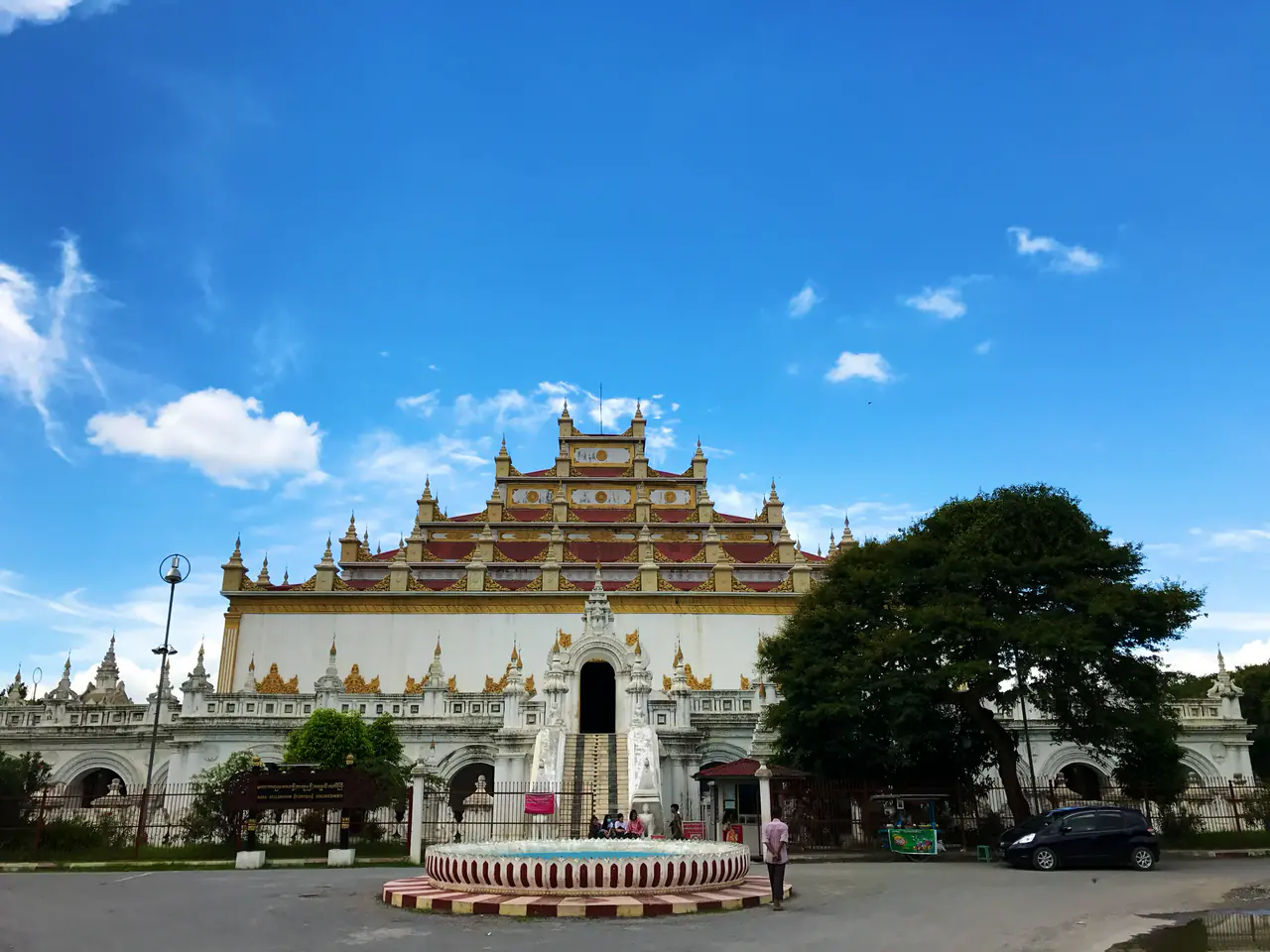
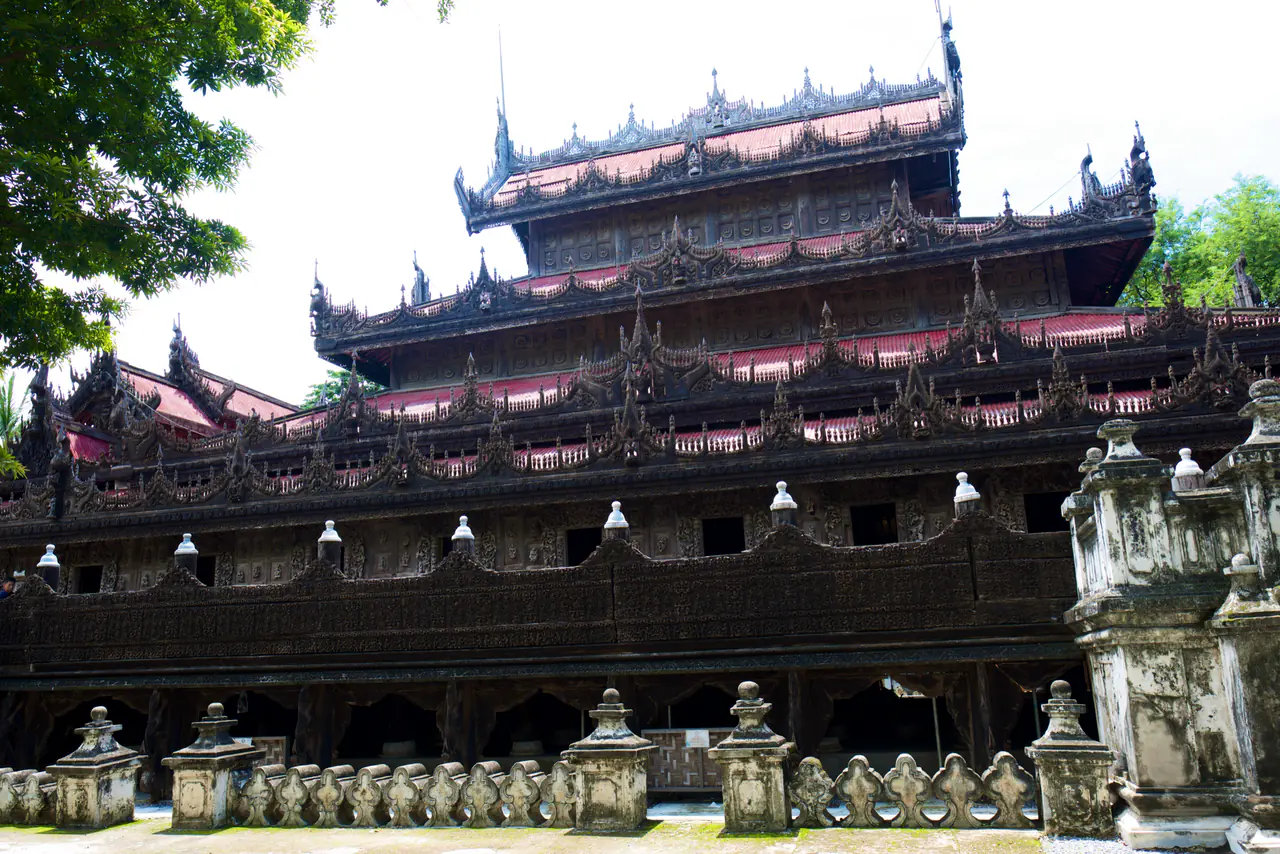
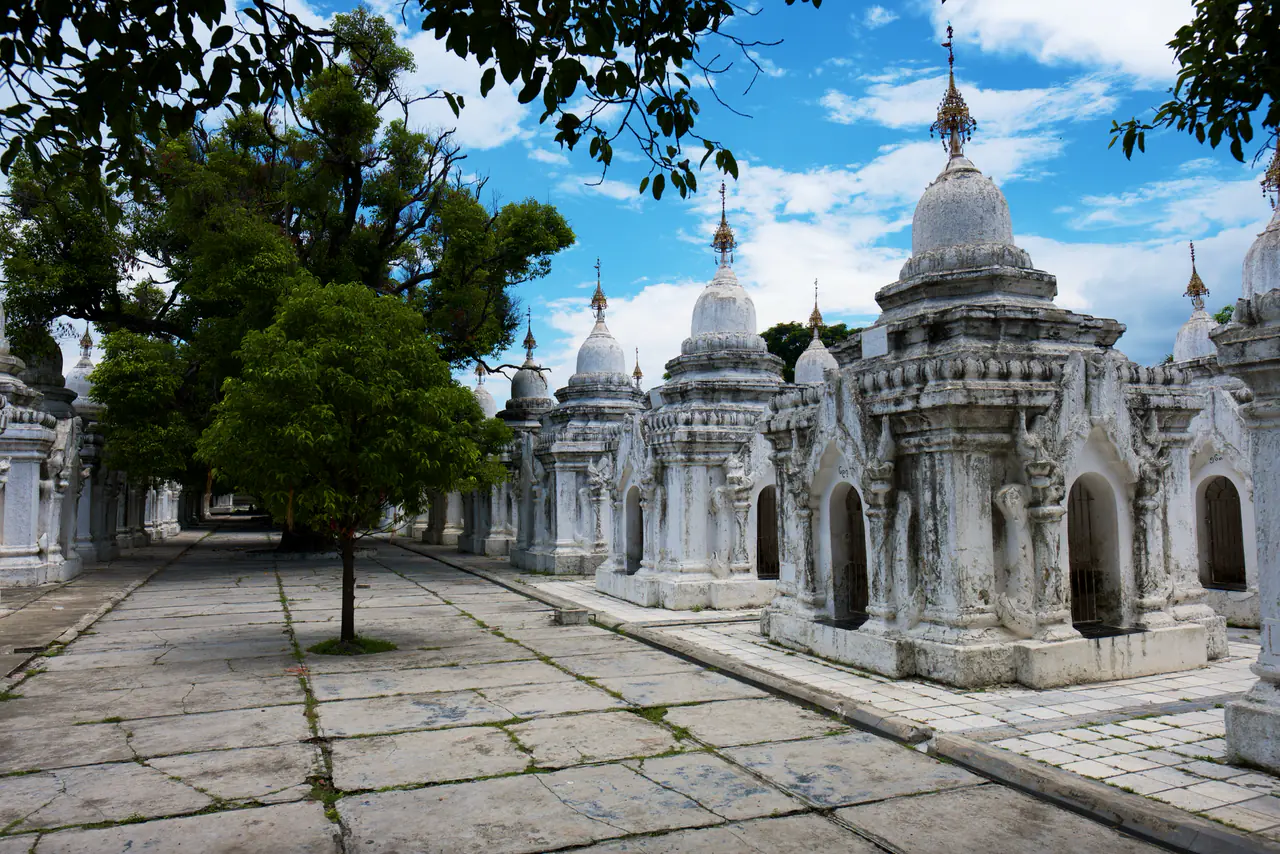
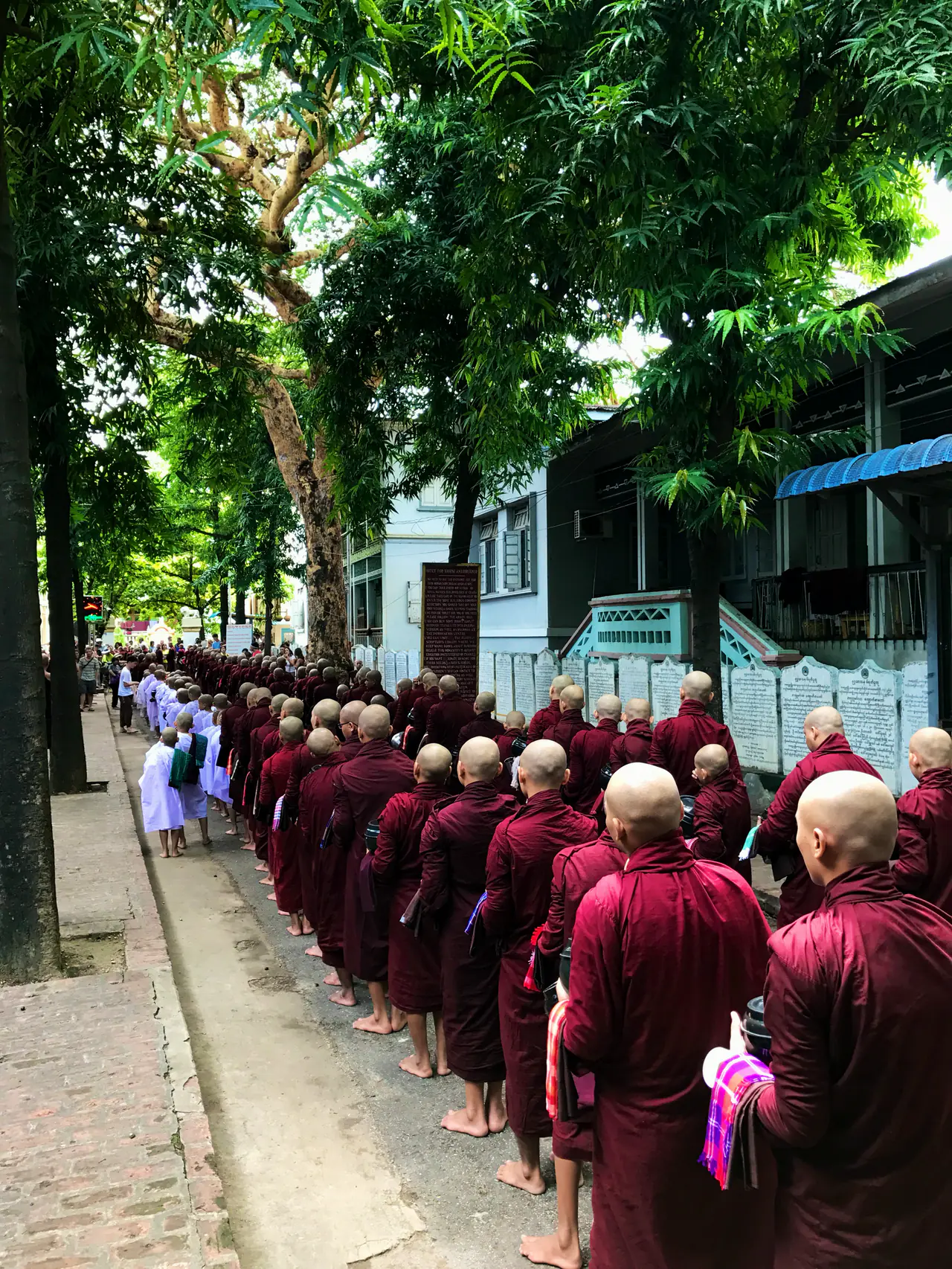
We started in Mandalay, often described as Myanmar’s cultural heart. We hired a local driver, who also guided us through the maze of temples, pagodas and busy markets. Our first stop was the Mahamuni Pagoda, home to one of the most revered Buddha images in the country, the air thick with incense and the hum of prayers.
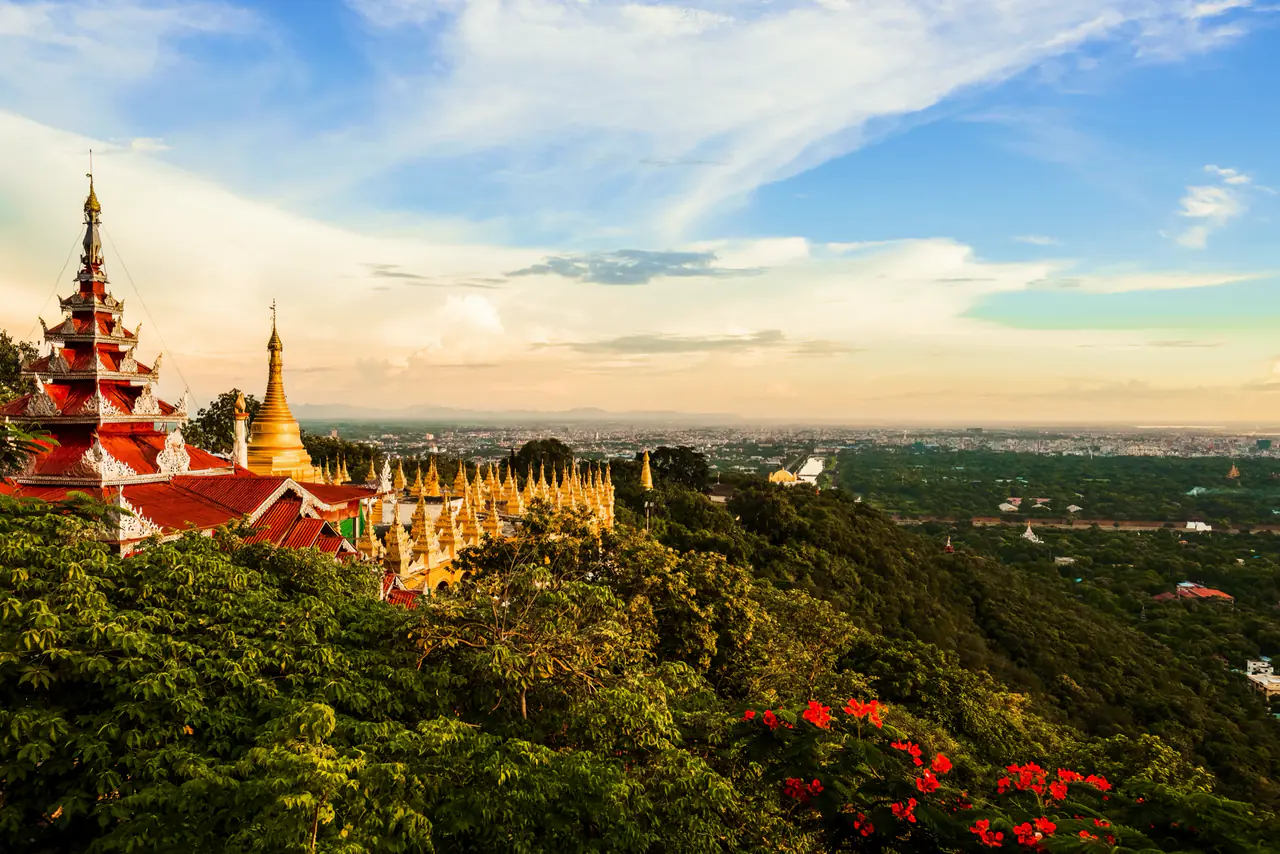
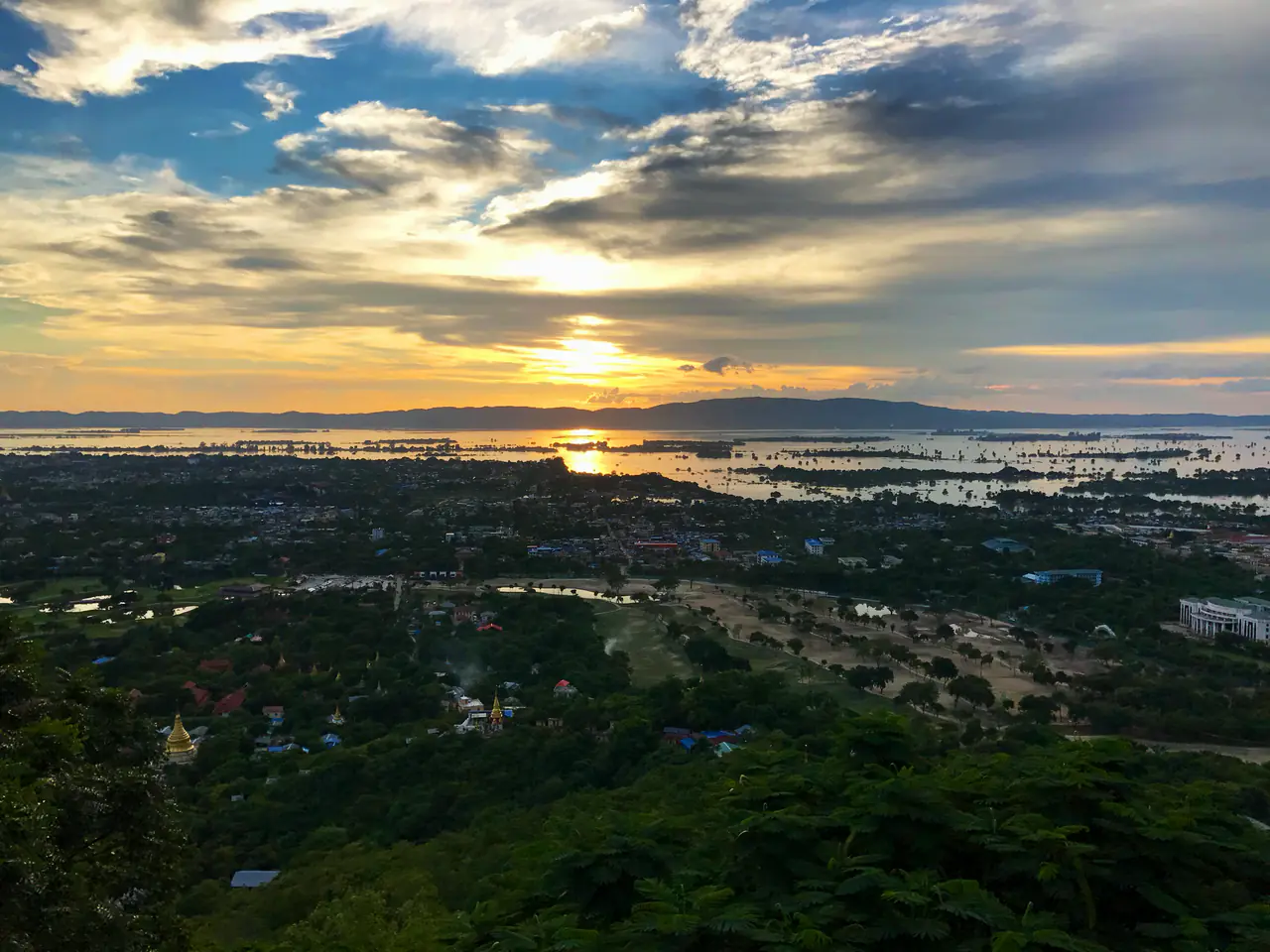
A highlight was climbing Mandalay Hill: a bit of a hike, with what feels like a thousand stairs, but from the top you see all 360 degrees of the city and the country around it, green fields dotted with golden spires. Wandering through the hilltop pagodas, each more intricate than the last, I felt deeply at peace.


U Bein Bridge#
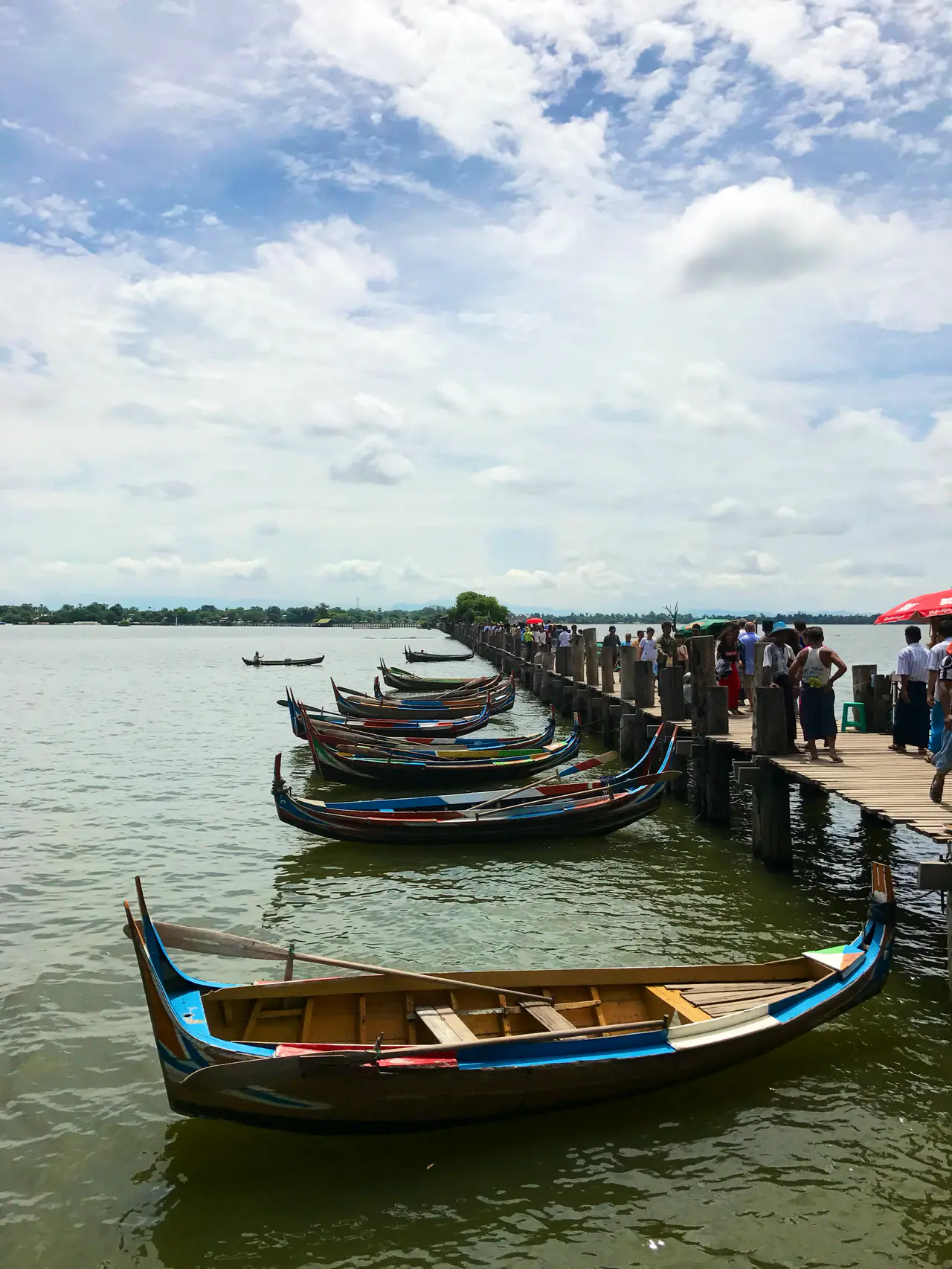
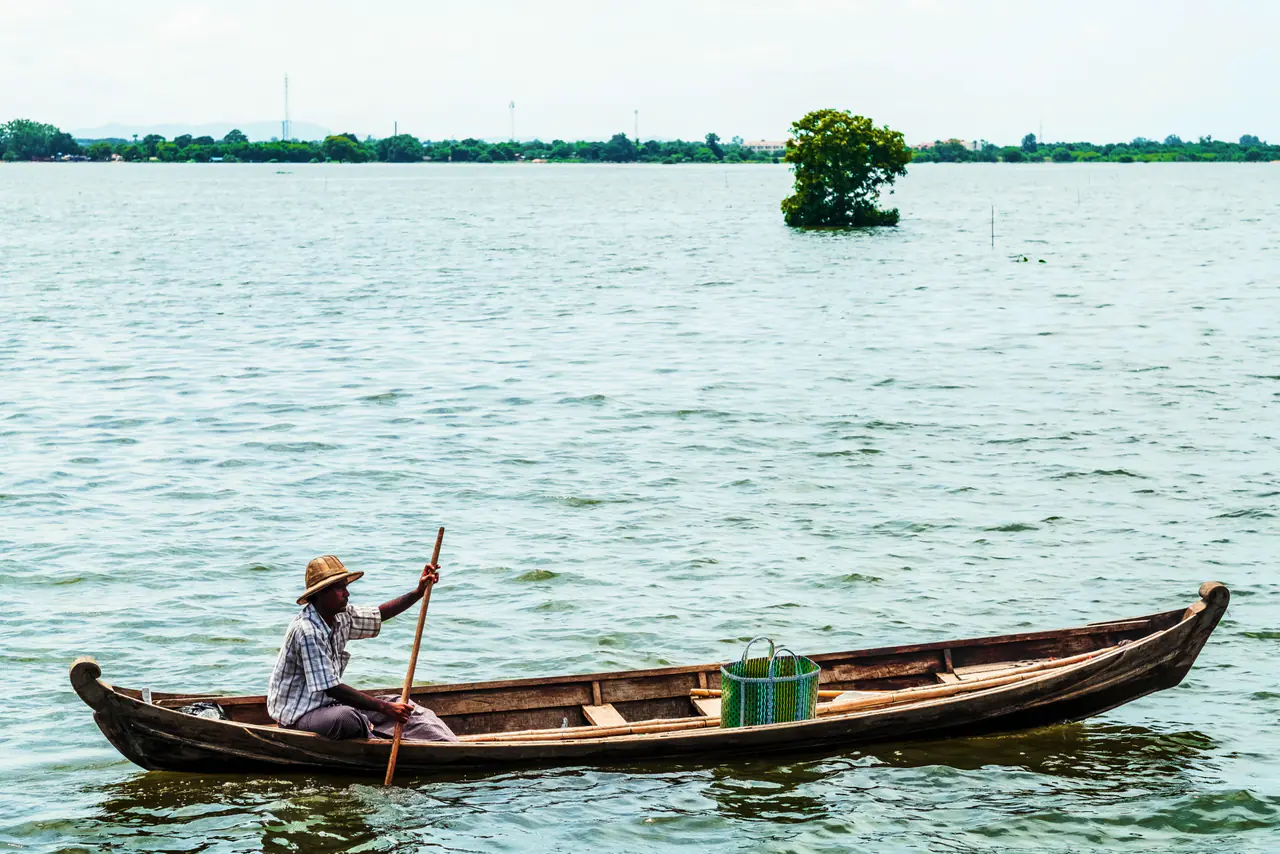
Next we went to the U Bein Bridge, built in 1850 across Taungthaman Lake and believed to be the oldest and longest teak bridge in the world. It was busy with locals and tourists looking out over the lake and the countryside, and despite the crowds it was a calm place.


Bagan#
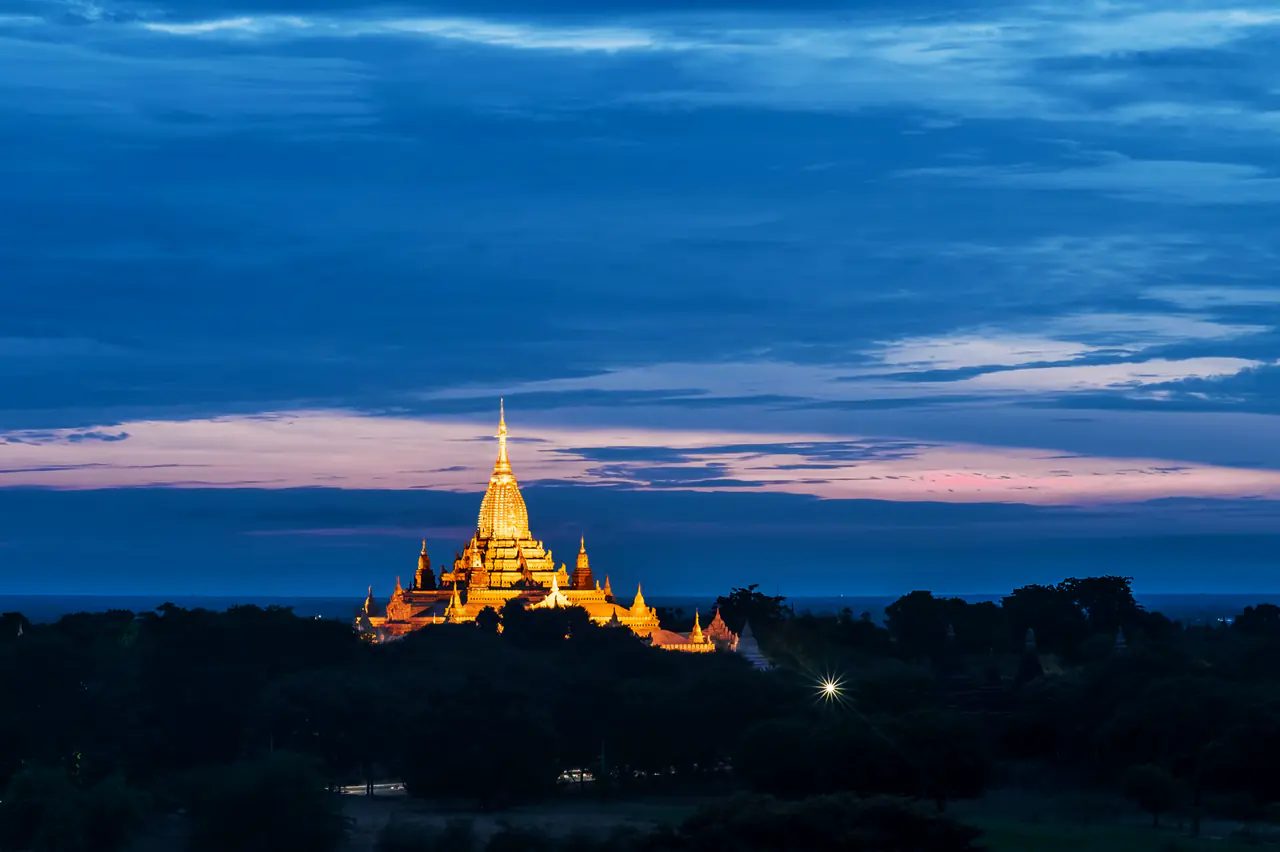
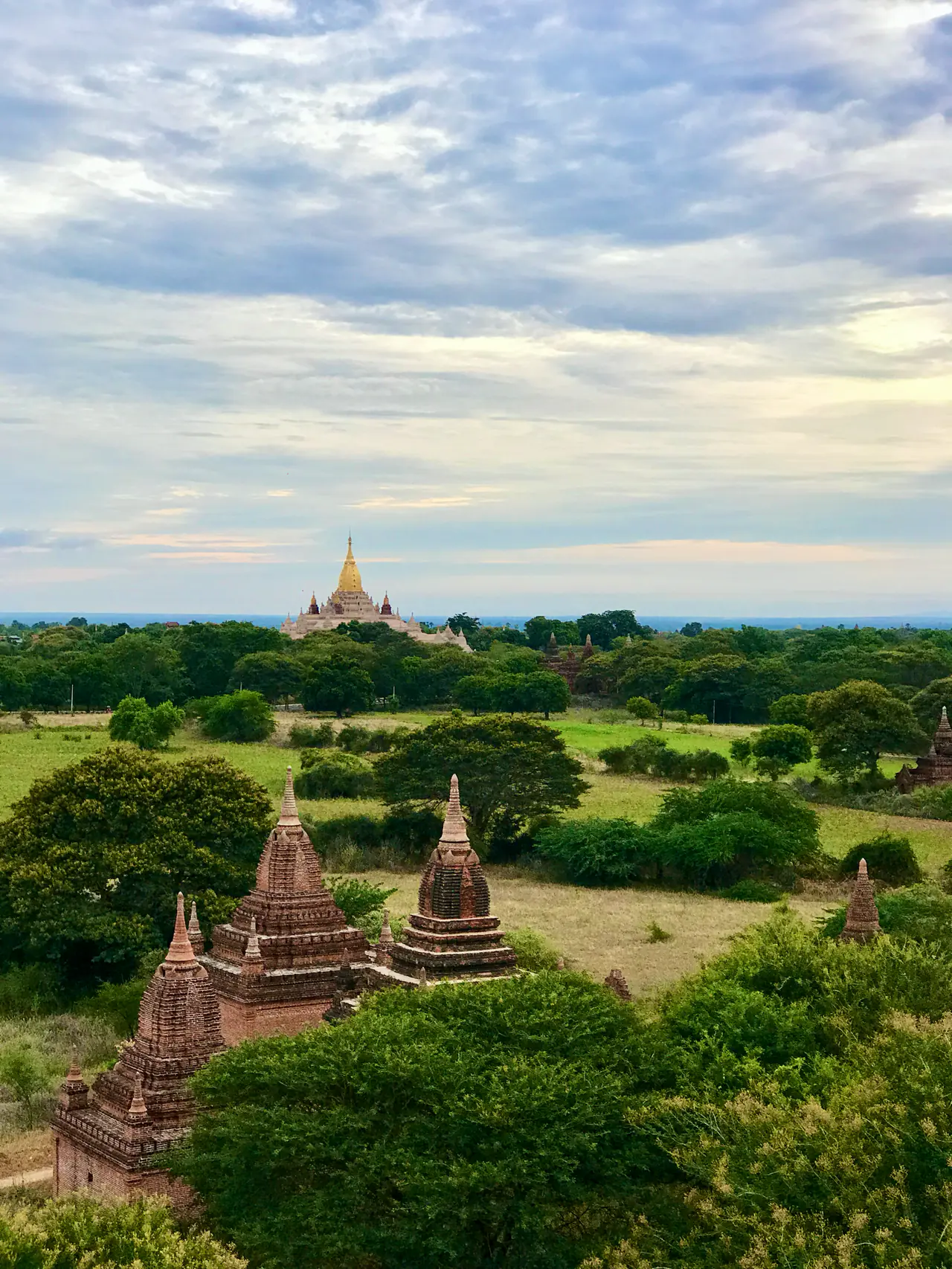
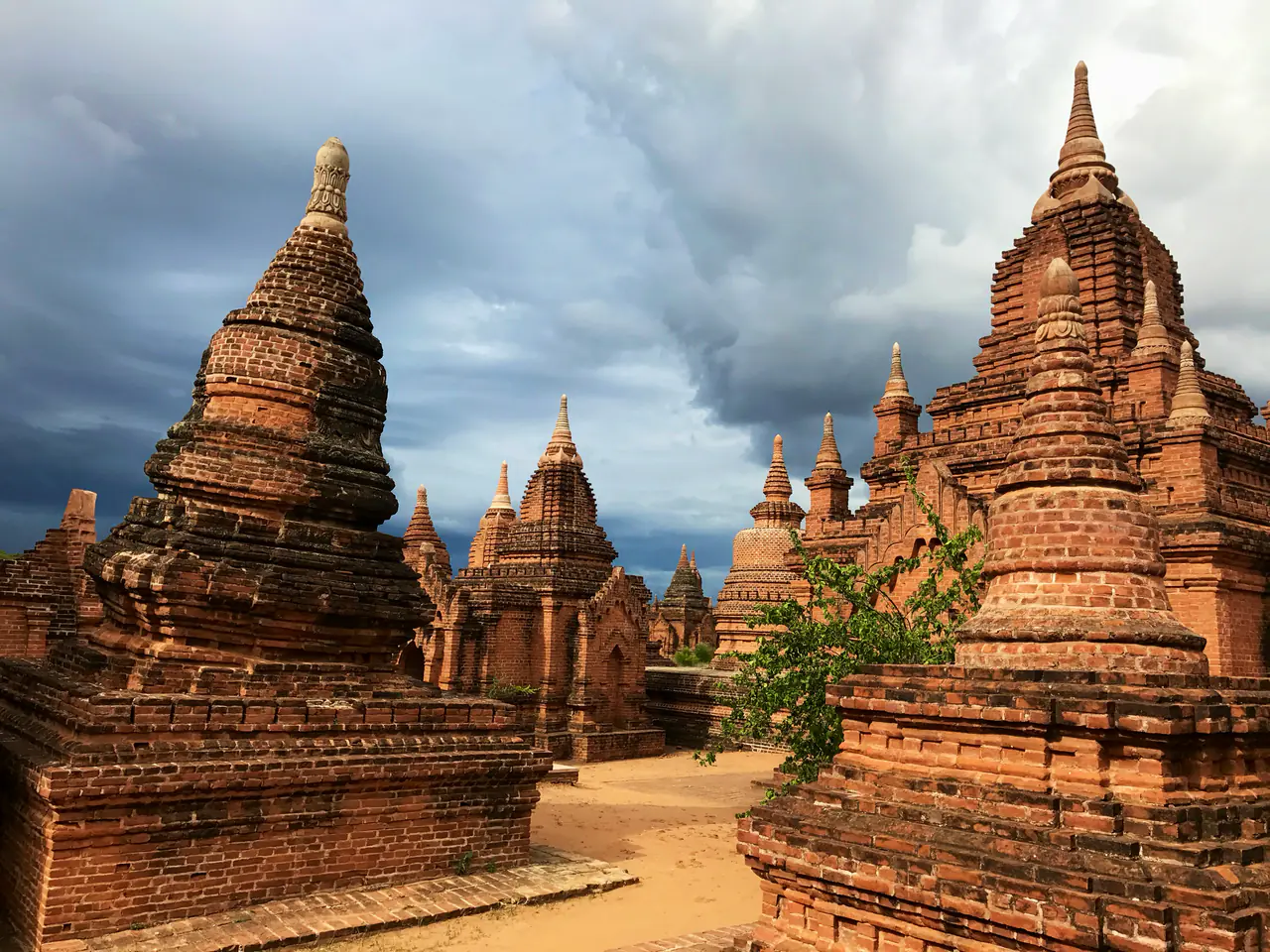
From Mandalay we drove to Bagan, where more than 3,000 ancient pagodas and temples are spread across a wide plain. We arrived just in time for sunset and watched the pagodas turn gold in the evening light. The next morning we got up early for the sunrise and the hot air balloons rising over the plain.
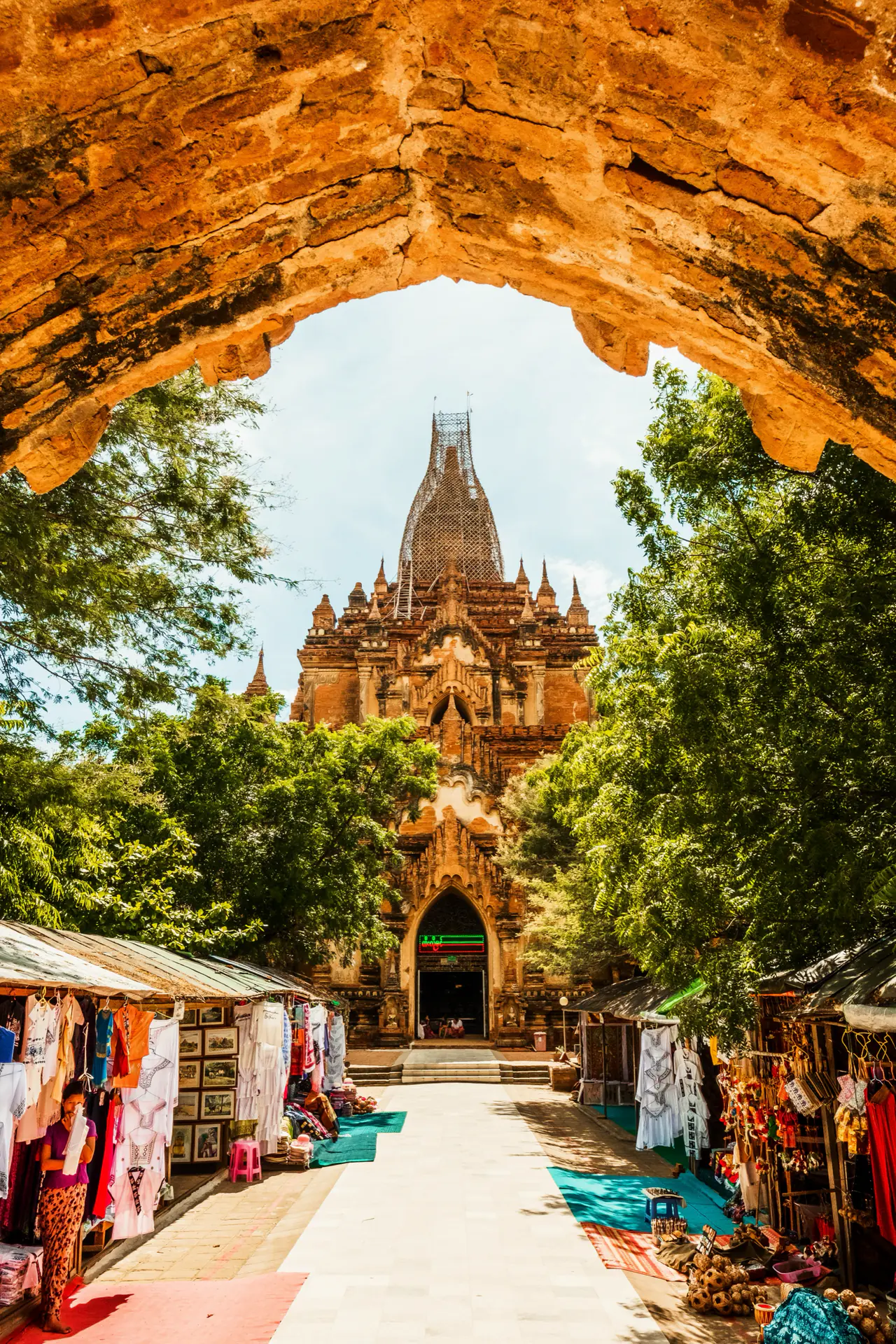
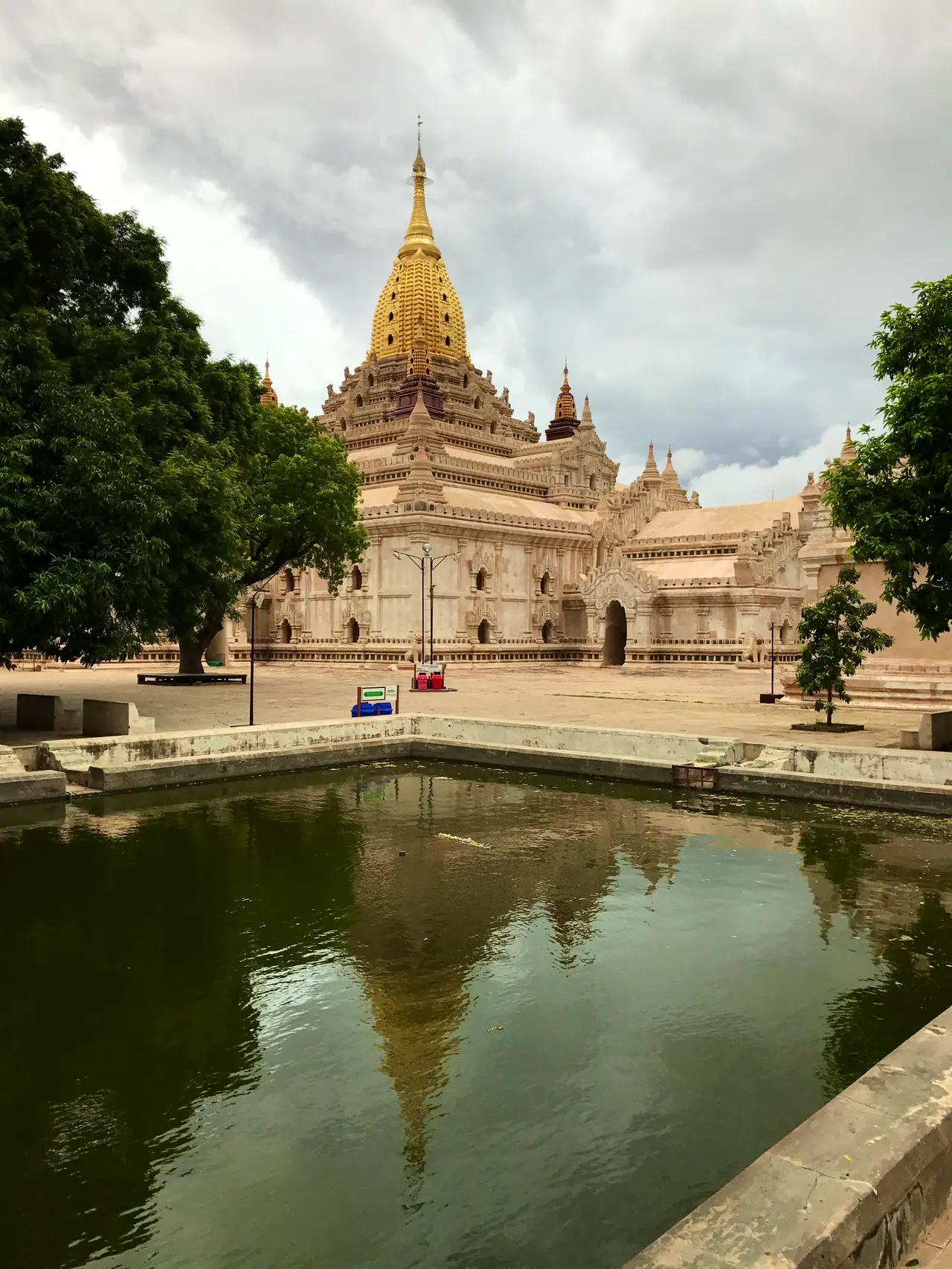
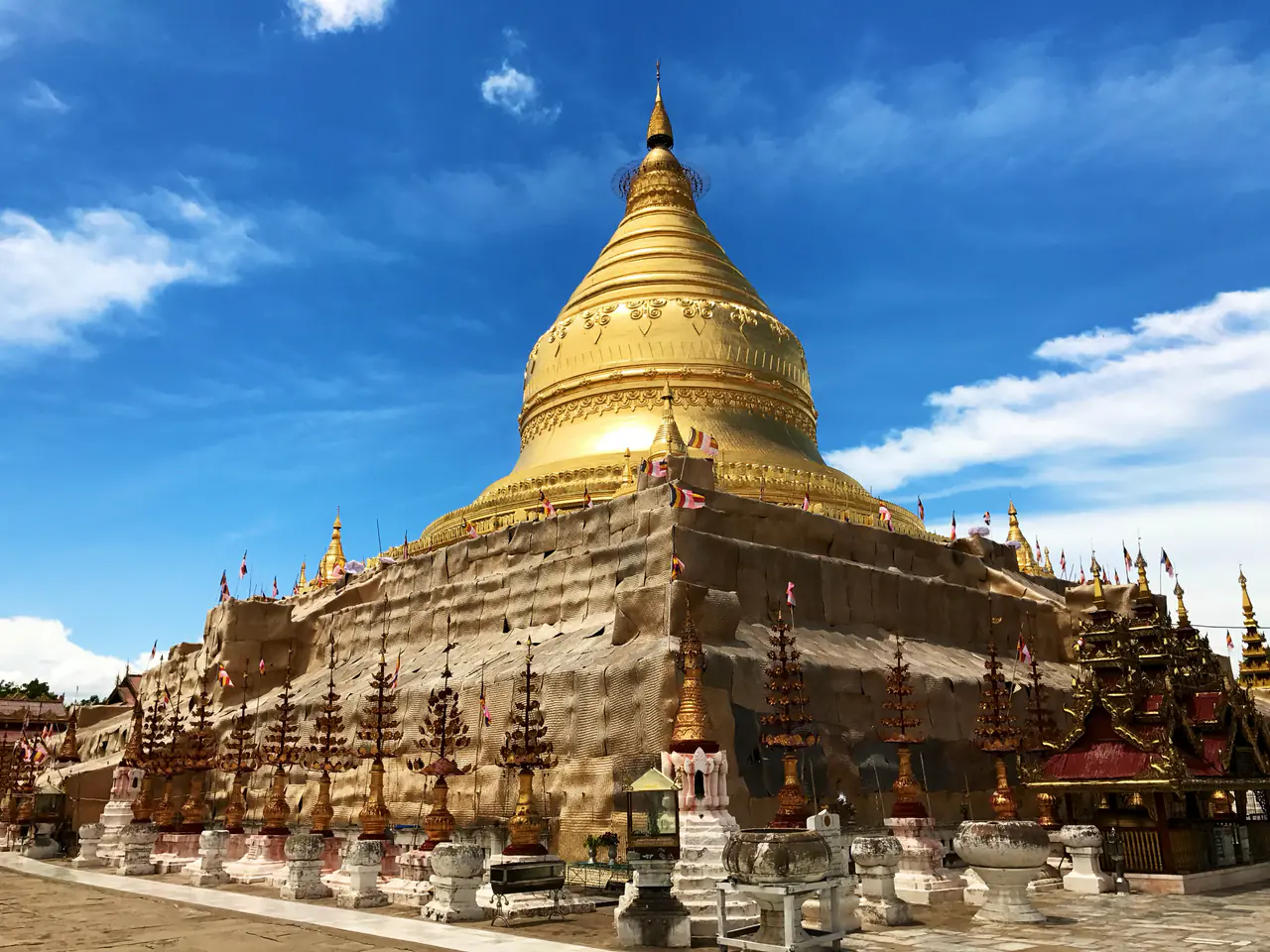
We spent our days in Bagan exploring the temples, each with its own architecture and history, from the massive Ananda Temple to smaller pagodas few people visit. One of the most memorable was the Shwezigon Pagoda, covered in gold leaf and glimmering in the sun.


Food#
Food in Myanmar was a mixed bag. I found the local cuisine less impressive than that of its Southeast Asian neighbours, though it had its gems. In Bagan, after a few disappointing meals, I came across an Italian restaurant run by an actual Italian chef. The food was excellent, a welcome break from the local fare, and so was the Valpolicella.
Betel nut#
One of the more curious local customs is chewing betel nut, which you see everywhere in Myanmar. The betel leaf is combined with lime and betel nut, often with shattered glass added to enhance the effect. It turns your spit bright red and is terrible for your teeth. I tried it once and quickly spat it out: it tasted unpleasant, and I felt none of the supposed effects.
Farewell Myanmar#
We went back to Mandalay for our flight out, and as I boarded the plane to my next destination I already wanted to return. There is much more of the country to see, and despite the challenges, its beauty and history stayed with me.